Encouraging Older Individuals to Engage in Fitness Through Holistic Exercise Guidelines
Wiki Article
Remaining energetic is crucial for people of every age group, but it grows especially important as people age. For seniors, routine physical activity helps preserving independence, improves mobility, and improves general health. Comprehensive training frameworks offer older adults with organized approaches to fitness that include stability, mobility, power, and endurance. By adhering to well-designed fitness programs, elders can enhance their well-being while minimizing the chances of injuries, long-term illnesses, and mental health challenges.
Staying fit for older adults is not confined to strenuous workouts or intense gym workouts. It centers instead on safe, consistent, and sustainable physical engagement that matches personal fitness conditions. Exercises such as walking, mobility work, yoga, and bodyweight exercises aid in preserving limberness and firmness. Cardiovascular exercises like aqua aerobics or recumbent cycling improve circulation, which are vital for supporting daily energy and vitality. These physical practices also promote cognitive wellness, as studies have indicated that routine fitness can enhance memory, emotional well-being, and focus.
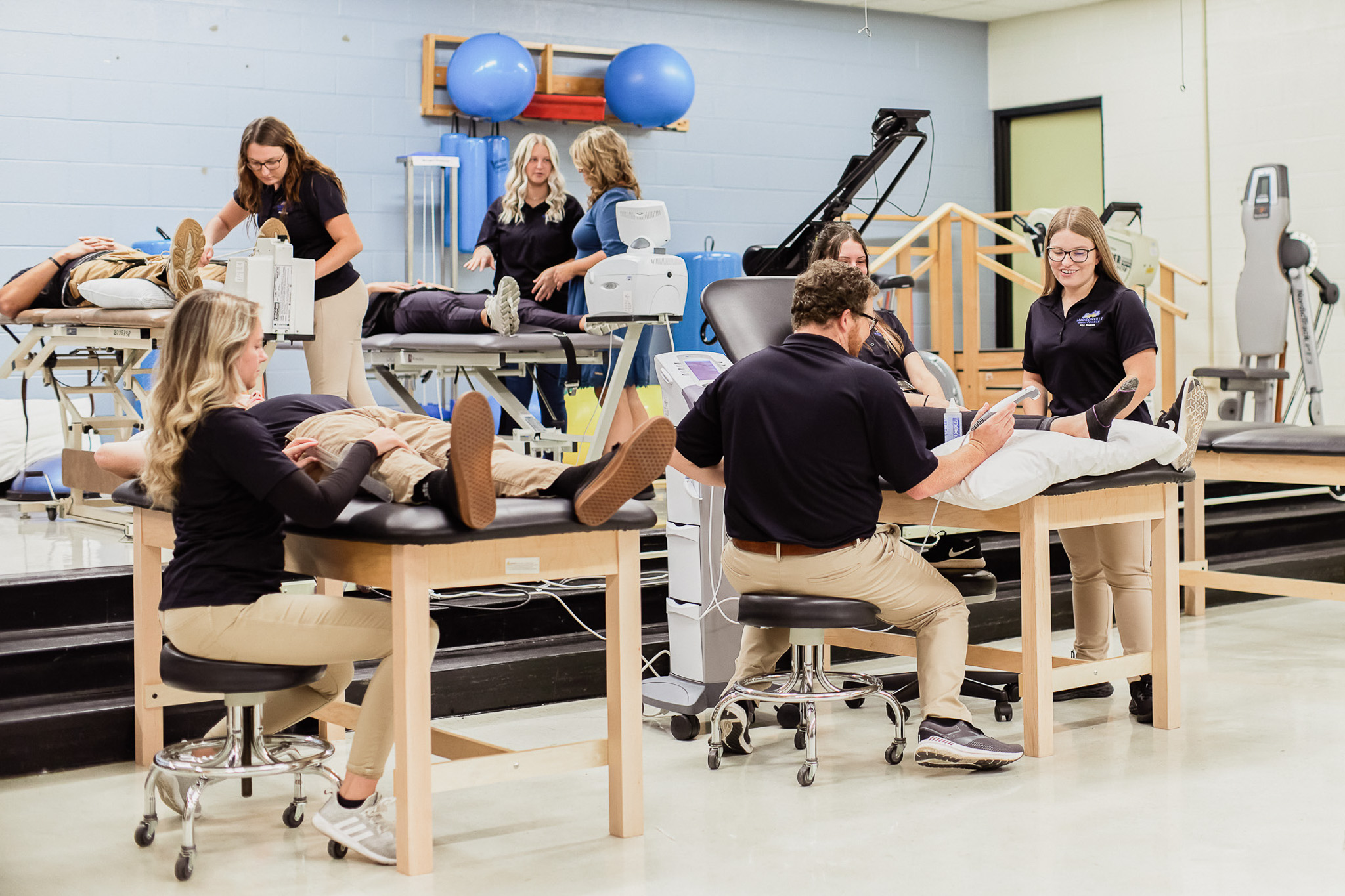
Comprehensive training plans highlight a balanced method to health, addressing physical, psychological, and social factors of lifestyle. Seniors are advised to ease in and advance at a steady rate, guaranteeing safety while preventing fatigue. Incorporating pre- and post-exercise stretches reduces muscle soreness, while adequate water consumption and nutrition complement exercise routines. Additionally, community-based programs—such as group fitness classes or organized group walks—create avenues for companionship, motivation, and mental post-injury athletic training connection, which are equally important to total wellness.
Qualified instruction acts as a crucial part in supporting seniors develop personalized exercise plans. Consulting medical professionals, mobility experts, or exercise professionals ensures that programs are adapted to personal requirements, endurance, and goals. These professionals can design effective workout protocols that consider elements such as joint conditions, skeletal weakness, or use this link aerobic restrictions. Through consistent evaluation and refinement, fitness routines stay productive and rewarding, encouraging long-term engagement and progress.
In conclusion, enabling seniors to participate in wellness through comprehensive exercise guidelines builds a culture of active aging. When older adults are supplied with understanding, confidence, and organized systems, they develop assurance in their physical abilities and experience greater autonomy. Consistent movement boosts not only body health but also cognitive health and well-being. By supporting inclusive, well-guided fitness programs, communities can help that every senior has the opportunity to live a healthy, active, and fulfilling life.